Get Grease Trap Installation in Denver, CO
Grease trap installation services help Denver property owners prevent plumbing backups and odors by installing, maintaining, and repairing grease traps for commercial kitchens and food establishments.
Grease trap installation services are essential for property owners in Denver, CO who want to ensure their commercial kitchens and food service operations run smoothly and efficiently. Properly installed grease traps help prevent the buildup of fats, oils, and grease that can cause plumbing clogs and backups, reducing the likelihood of costly repairs and operational disruptions. Additionally, a well-installed grease trap can enhance the overall functionality of kitchen drainage systems, contributing to a safer and more comfortable working environment.
Investing in professional grease trap installation also offers benefits such as increased durability and reduced maintenance needs over time. By choosing experienced service providers, property owners can improve the durability of their plumbing systems and minimize future issues. Furthermore, a properly installed grease trap can boost curb appeal by maintaining a clean and professional appearance around the property, which is especially important for restaurants and commercial facilities in Denver’s competitive food industry.
Grease Trap Installation Services
- Commercial kitchens - may need grease trap installation to comply with local health regulations and prevent plumbing issues.
- Restaurants and food service establishments - often require new or upgraded grease traps during renovations or expansions.
- Food processing facilities - might need grease traps installed to manage waste and maintain proper sanitation standards.
- Catering businesses - may require grease trap installation when establishing new operations or upgrading existing systems.
- Industrial food production sites - could need professional installation of grease traps to handle large volumes of waste effectively.
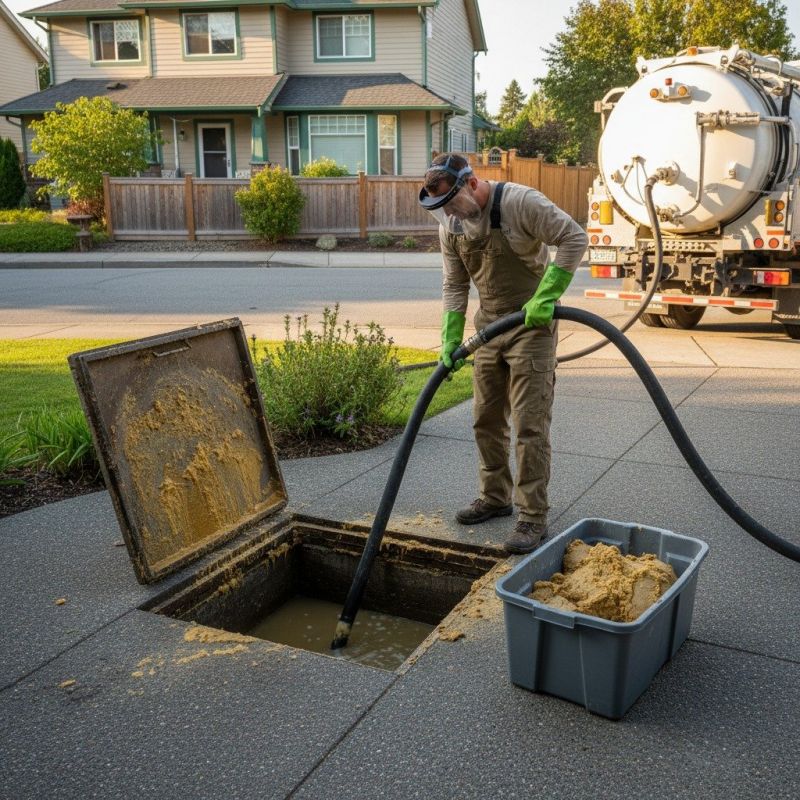
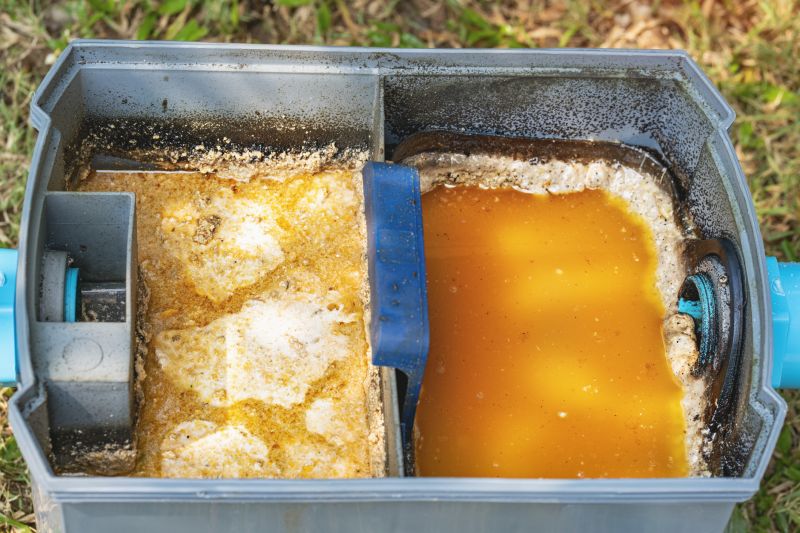
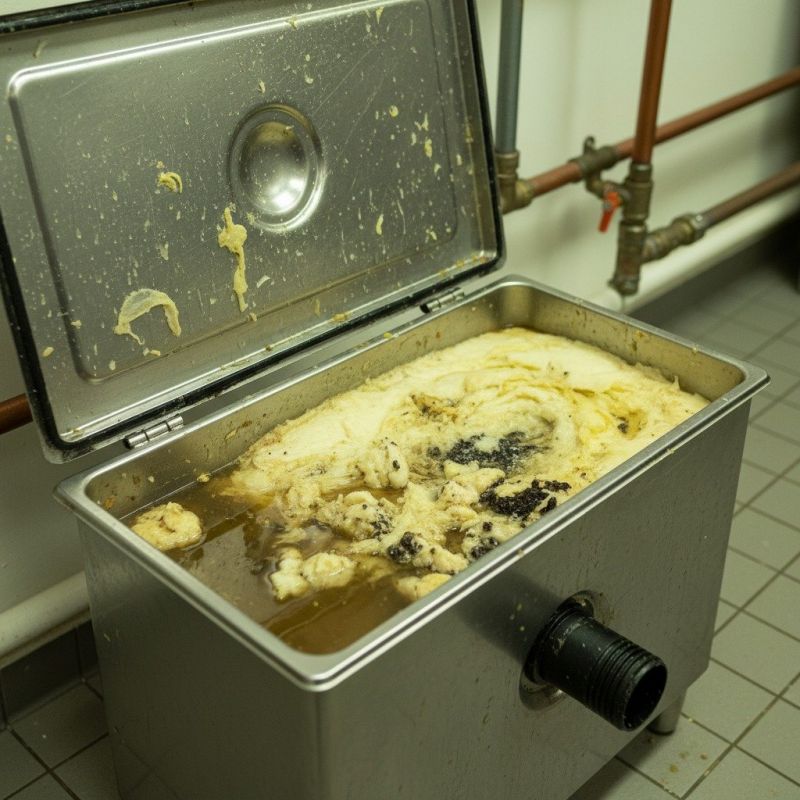
Grease trap installation services involve setting up a device designed to intercept fats, oils, and greases from wastewater before they enter the plumbing system. These systems are typically installed underground in commercial kitchens, restaurants, and food processing facilities to prevent blockages and reduce the risk of sewer backups. The installation process includes selecting an appropriate size and type of grease trap, preparing the site, and ensuring proper placement to optimize performance. Professional service providers can help determine the most suitable system based on the property’s size and usage needs, ensuring effective operation from the start.
Grease traps play a crucial role in addressing common plumbing problems associated with grease buildup. Without proper interception, fats and oils can solidify within pipes, leading to clogs, foul odors, and costly repairs. By capturing these substances early, grease trap installation services help property owners avoid disruptive plumbing issues and maintain compliance with local regulations governing waste disposal. Regular maintenance and proper installation also contribute to longer-lasting plumbing infrastructure, reducing the likelihood of emergency repairs and service interruptions.
Property types that frequently utilize grease trap installation services include commercial kitchens, restaurants, cafeterias, and food manufacturing facilities. These properties generate significant amounts of grease-laden wastewater that must be managed to prevent plumbing problems and environmental violations. Additionally, some institutional facilities such as schools, hospitals, and hotels also rely on grease traps to handle their waste effectively. The installation process can be tailored to the specific needs of each property, ensuring that the grease management system is efficient and compliant with local standards.
Professional grease trap installation services typically work with property owners to select the right system size and type based on the volume of waste produced. They handle the entire setup process, from site assessment to system placement, ensuring that the trap functions correctly and integrates seamlessly with existing plumbing. Proper installation is essential for preventing plumbing issues, reducing maintenance costs, and ensuring ongoing compliance with waste management regulations. Contacting local service providers can help property owners find experienced professionals to handle the installation efficiently and effectively.
The overview below groups typical Grease Trap Installation projects into broad ranges so you can see how smaller, mid-sized, and larger jobs often compare in Denver, CO.
In many markets, a large share of routine jobs stays in the lower and middle ranges, while only a smaller percentage of projects moves into the highest bands when the work is more complex or site conditions are harder than average.
Installation Costs - The cost for installing a new grease trap typically ranges from $1,200 to $3,500, depending on size and complexity. Larger or custom systems may cost more, with prices reaching up to $5,000 in some cases.
Material Expenses - Material costs for grease traps can vary from $300 to $1,200, based on the type and capacity of the unit. High-capacity or commercial-grade traps tend to be on the higher end of this range.
Labor Charges - Labor fees for installation services generally fall between $500 and $2,000. The total may increase if additional plumbing work or site prep is needed.
Additional Fees - Permitting, inspection, and site preparation costs can add $200 to $800 to the overall expense. These fees vary by location and project scope, influencing the final price.
Actual totals will depend on details like access to the work area, the scope of the project, and the materials selected, so use these as general starting points rather than exact figures.
Commercial Kitchen Installations - Professionals in this area can install grease traps tailored for restaurants, cafeterias, and other food service establishments to ensure proper waste management.
Restaurant Renovations - When upgrading or remodeling dining facilities, local pros can incorporate grease trap systems to meet plumbing and waste disposal requirements.
Food Processing Facility Setup - Experts can assist in installing grease traps for food production plants to help manage fats, oils, and grease effectively.
Industrial Waste Management - Service providers can install large-capacity grease traps for industrial kitchens and facilities with high-volume waste output.
Septic System Integration - Installation services include integrating grease traps with existing septic systems to improve waste separation and flow.
Maintenance and Replacement Services - Local pros offer ongoing maintenance and replacement of grease traps to ensure continued proper functioning and compliance.
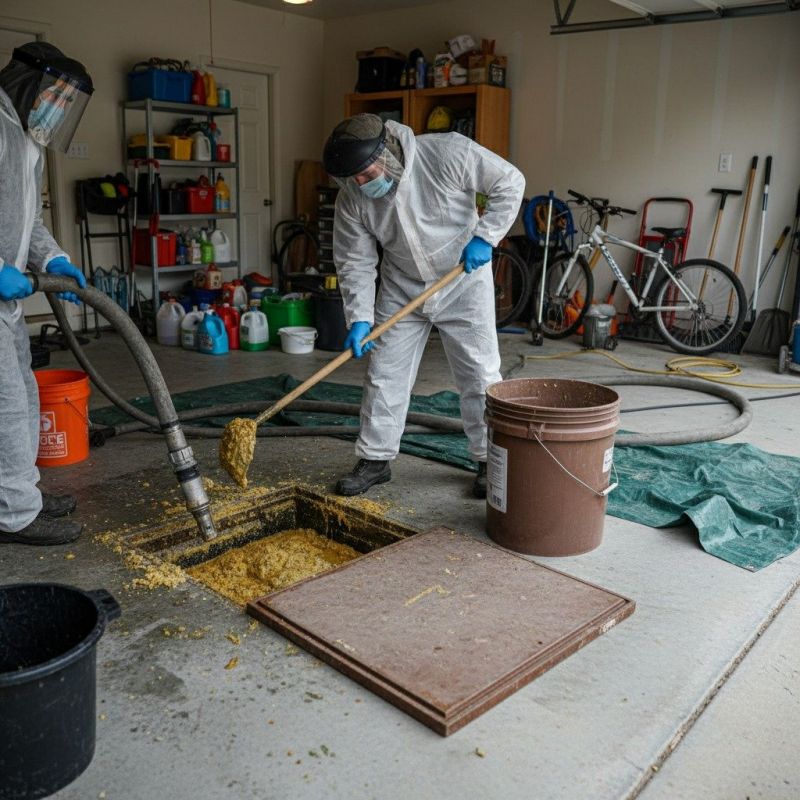
When evaluating local professionals for grease trap installation, it’s important to consider their experience in handling similar projects. Homeowners should seek out service providers with a proven track record in installing grease traps for residential or commercial properties, ensuring they have the necessary familiarity with local codes and industry standards. A contractor’s history of completed jobs can provide insight into their expertise and reliability, helping homeowners make informed decisions about who to contact for their needs.
Clear communication and written expectations are essential components of a successful grease trap installation. Pros who provide detailed estimates and transparently outline the scope of work can help homeowners understand what to expect throughout the process. It’s beneficial to select service providers who are responsive to questions and willing to discuss project specifics, as this fosters a smoother experience and minimizes misunderstandings. Additionally, having access to reputable references or reviews can offer reassurance about the quality of work and professionalism of the contractor.
Reputable references and established credibility are key factors when choosing a local professional. Homeowners should seek recommendations or reviews from previous clients to gauge the consistency of the service provider’s performance. Reliable contractors often have a history of satisfied customers and positive feedback, which can be valuable in assessing their reputation within the community. Effective communication throughout the project, from initial contact to completion, helps ensure that expectations are aligned and that any concerns are addressed promptly, contributing to a successful grease trap installation.
Property owners in Denver, CO use Grease Trap Installation services for practical projects around their homes and businesses. The sections below highlight everyday jobs and straightforward project options.
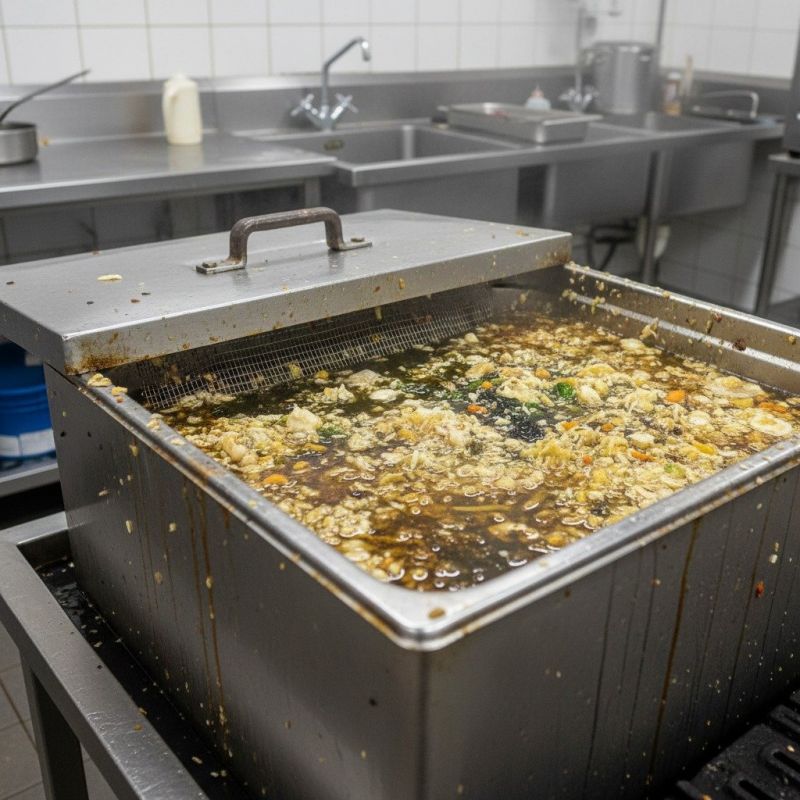
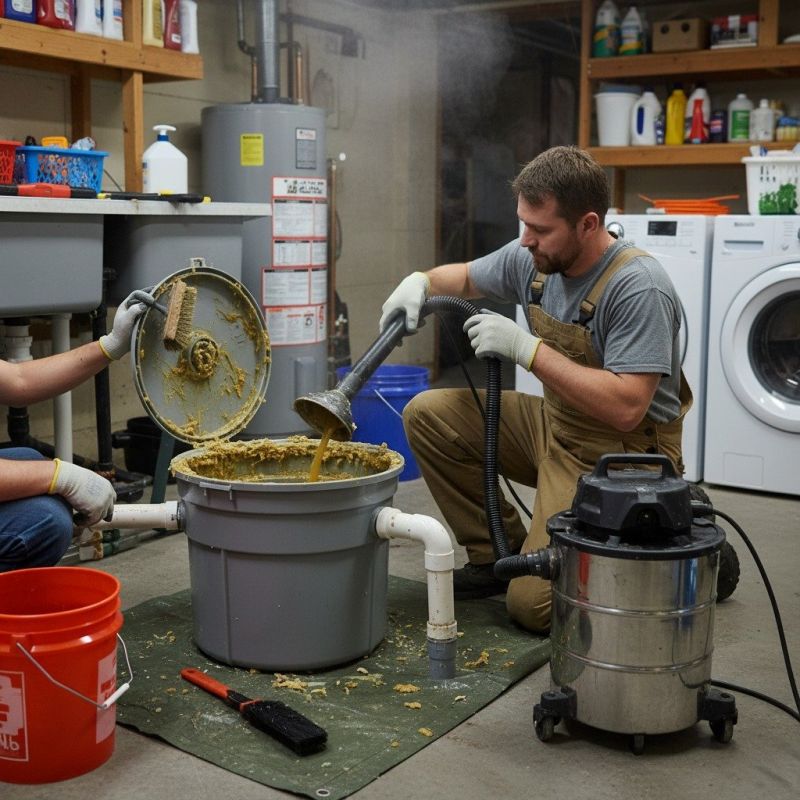
Grease trap installation services are often sought by property owners in Denver, CO who operate restaurants, cafeterias, or other food service establishments. Properly installed grease traps help prevent fats, oils, and grease from entering the municipal sewer system, reducing the risk of clogs and backups that can disrupt daily operations. Business owners may look for professional installation to ensure compliance with local regulations and to maintain smooth, uninterrupted service for their customers.
Residential property owners in Denver might also require grease trap installation for home-based food businesses or community kitchens. Installing a grease trap can aid in managing wastewater effectively and preventing plumbing issues caused by grease buildup. Local service providers can assist with selecting the right size and type of trap, as well as ensuring correct installation to support ongoing maintenance and proper functioning of the plumbing system.
What is a grease trap and why is it needed? A grease trap is a device installed to intercept and capture fats, oils, and grease from wastewater before it enters the plumbing system, helping prevent clogs and backups in commercial kitchens and food service establishments.
How long does it take to install a grease trap? The installation duration varies depending on the site and system size, but typically, professional installation can be completed within a day or two.
Are there regulations for grease trap installation? Local health and plumbing codes often require proper grease trap installation for commercial kitchens, and local service providers can ensure compliance with these regulations.
What types of grease traps are available? Common types include passive, automatic, and gravity grease traps, with the choice depending on the size of the establishment and flow rate requirements.
How often should a grease trap be maintained? Maintenance frequency depends on usage, but regular inspections and cleaning by local service providers are recommended to ensure optimal performance.
Grease Trap Installation Services
Professional Installation Assistance - Local service providers can help with proper installation of grease traps to ensure compliance and optimal performance.
Customized Solutions for Different Facilities - Experts offer tailored installation options for restaurants, commercial kitchens, and food processing plants.
Regulation Compliance Support - Pros can advise on local codes and regulations related to grease trap installation requirements.
Maintenance Planning Advice - Service providers can recommend maintenance schedules to keep grease traps functioning effectively over time.
Considering Grease Trap Installation for a property in Denver, CO? The sections above highlight common project types, practical options, and details that often shape the scope of work.
When you are ready, use the quote form to share a few details about your project. Local pros can review the basics and respond with options that match what you have in mind.